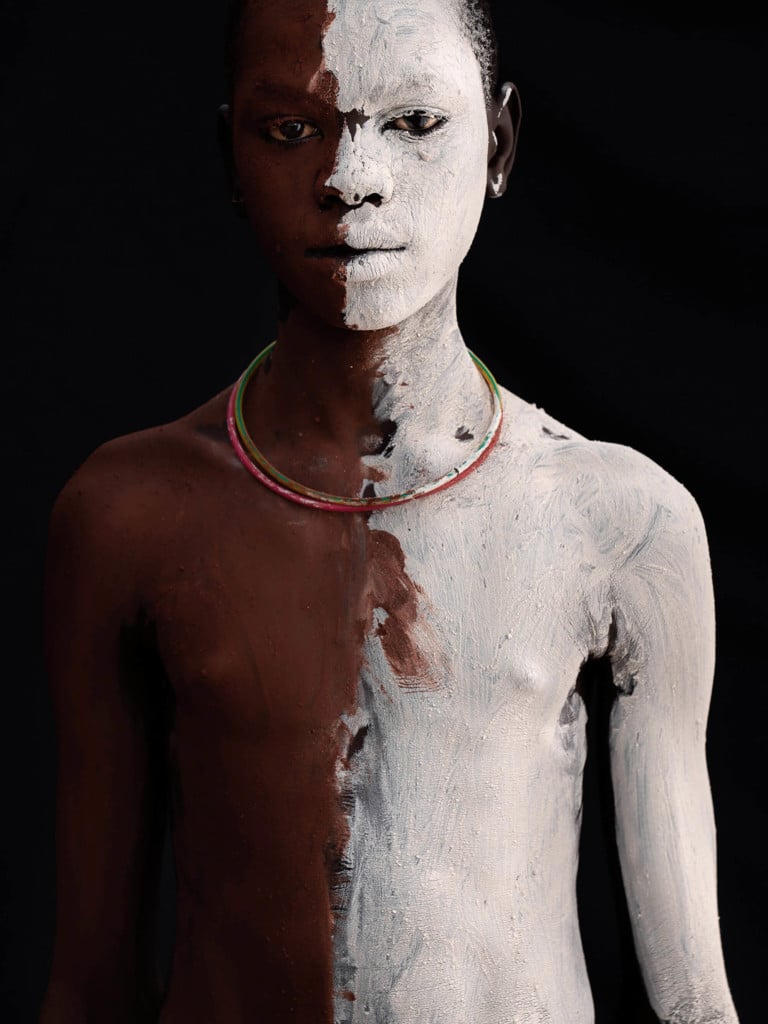
Introduction to the Look Closer Exhibition

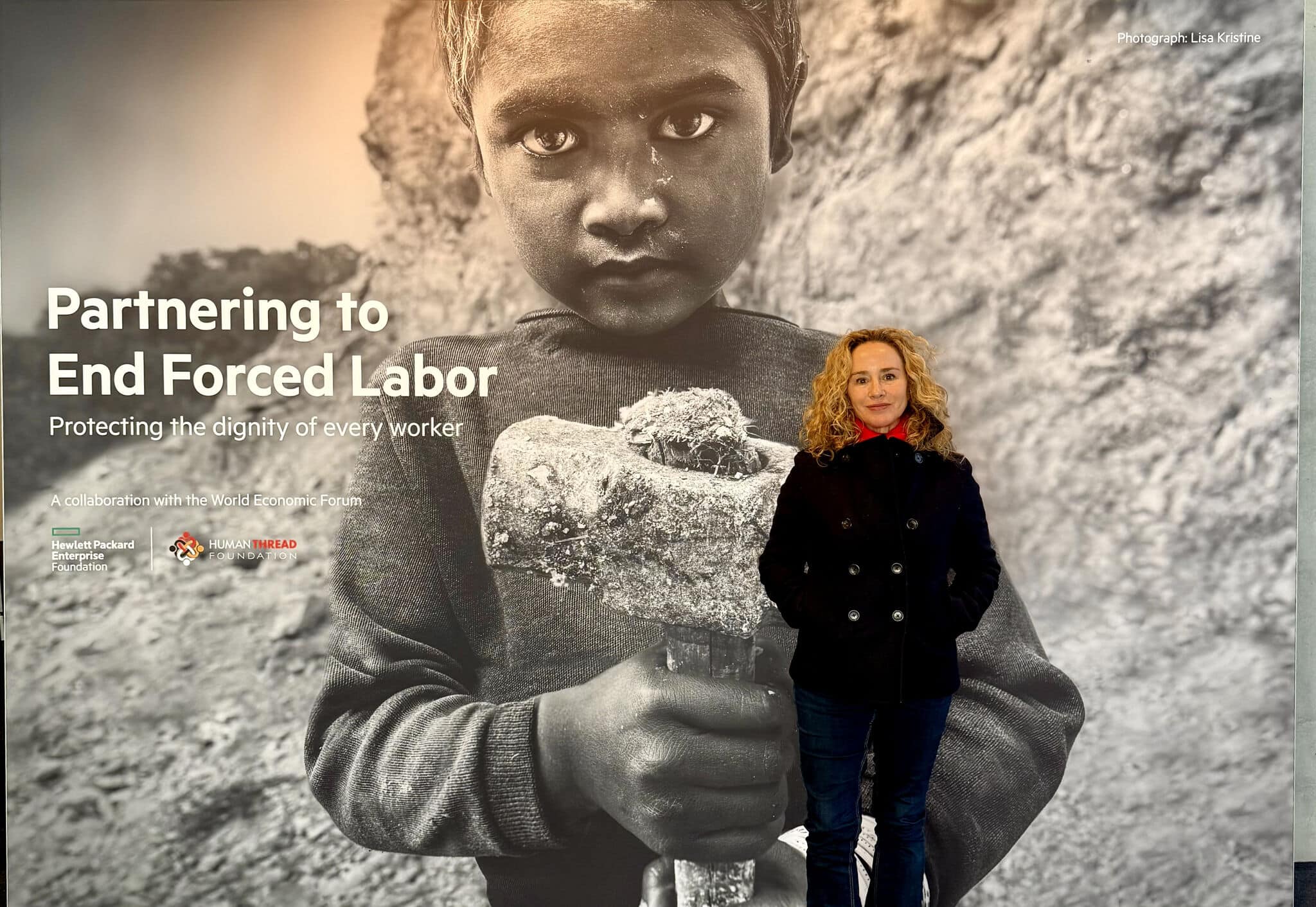
The theme, “No slavery in your supply chain? Look closer.”, challenges viewers to examine the uncomfortable truths buried within global trade and manufacturing systems. The exhibition features harrowing images and personal stories that shed light on forced labor, human trafficking, and exploitation. Through powerful visual storytelling, it encourages both awareness and direct action.
The Urgency of Modern Slavery Awareness
Modern slavery remains one of the most pressing human rights issues of our time. According to the International Labour Organization (ILO), over 50 million people worldwide are currently trapped in modern slavery—including forced labor, bonded labor, and human trafficking.
What makes this crisis even more insidious is its invisibility. Exploitation often hides in plain sight—within supply chains of everyday items such as clothing, electronics, and food. As consumers and corporations, we may unknowingly support these systems unless we take deliberate action to examine and transform them.
This is where the Look Closer exhibition delivers its most urgent message: ignorance is not innocence. Change begins by recognizing the reality of modern slavery—and committing to a different future.
Launch Event Highlights
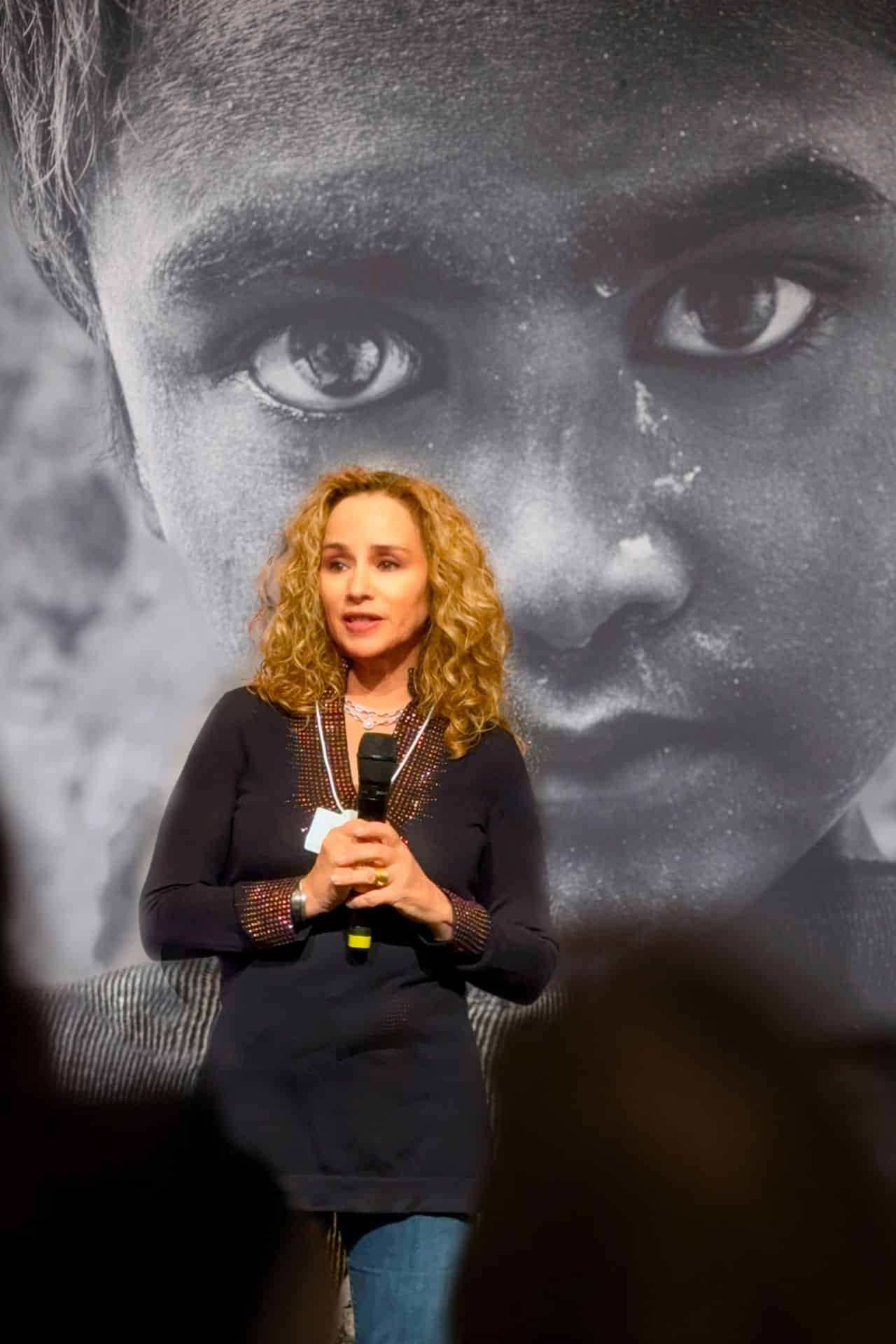
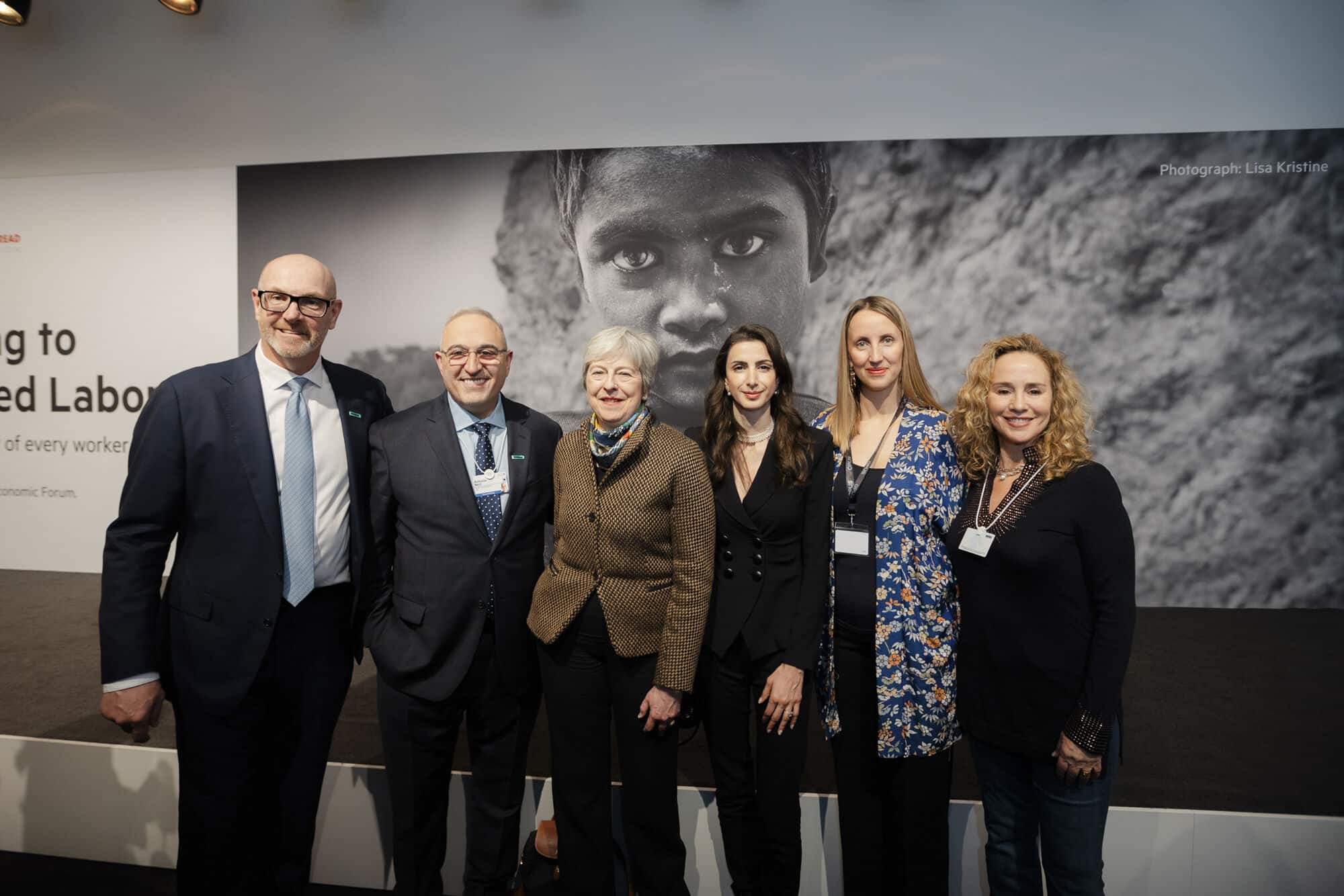
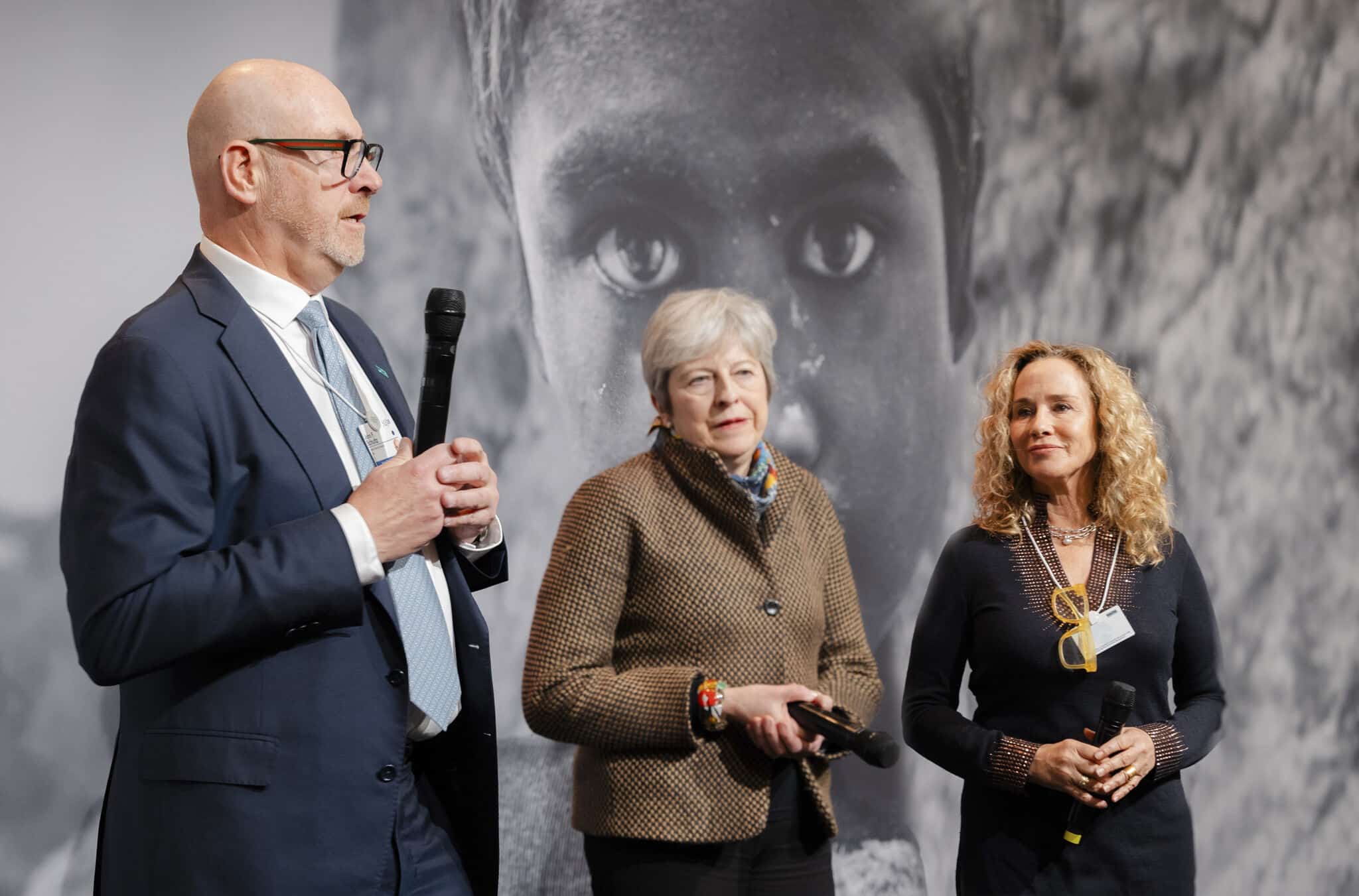
The unveiling of the Look Closer exhibition was held at the Kirchner Museum Davos, a venue known for championing social discourse through art. The event brought together a dynamic group of global leaders and changemakers dedicated to eradicating exploitation.
Among the distinguished speakers were John Schultz, Chief Operating Officer of Hewlett Packard Enterprise (HPE); Mirek Dusek, Managing Director at the World Economic Forum (WEF); and Baroness Theresa May, former UK Prime Minister and current representative of the Global Commission to End Modern Slavery.
Together, they emphasized the need for innovation, data-sharing, and unified action. The collaborative tone of the event underscored one vital truth: the fight against modern slavery is not a solo mission—it’s a shared responsibility across industries, governments, and civil society.
The Power of Photography to Inspire Change
At the heart of the Look Closer exhibition are photographs that speak volumes—capturing the harsh realities of forced labor and human trafficking with unflinching honesty. These images, created in collaboration with the Human Thread Foundation and supported by the Hewlett Packard Enterprise Foundation, serve as visual testimonies of individuals often rendered invisible.
More than art, these photographs are acts of witness. They compel viewers to reckon with the personal toll of exploitation and challenge them to become advocates for justice. Each image is accompanied by a story—offering the humanity behind the statistics and prompting reflection, empathy, and resolve.
Global Data Partnership Against Forced Labour
In a landmark announcement during the exhibition, Hewlett Packard Enterprise unveiled its Global Data Partnership Against Forced Labour—a strategic initiative focused on identifying, analyzing, and eradicating exploitative practices within global supply chains.
The initiative seeks to:
- Promote data sharing among governments, NGOs, and corporations
- Pinpoint high-risk regions and supply chain vulnerabilities
- Drive accountability and systemic reform through transparency
This is a prime example of how technology can be leveraged as a tool for liberation. HPE is proving that when businesses align purpose with innovation, real change becomes possible.
Cross-Sector Collaboration Is Essential
One of the strongest messages to emerge from the Look Closer launch is the necessity of cross-sector collaboration. Ending modern slavery requires a united front—one that spans governments, private enterprise, international organizations, and survivor-led advocacy.
The exhibition’s success lay not just in its artistic impact, but in its convening power. Leaders like Baroness Theresa May, John Schultz, and Mirek Dusek represent distinct but interlocking spheres of influence. Their joint presence signaled a shared resolve to confront injustice, dismantle systems of exploitation, and advocate for those most affected.
The Role of Survivor Voices in the Movement
An essential element of the Look Closer exhibition is the elevation of survivor voices. Without their lived experience and leadership, the anti-slavery movement cannot be fully informed or effective. Through firsthand narratives and collaborations with survivor-led organizations, the exhibition fosters truth-telling and accountability.
These voices remind us that every policy, campaign, and innovation must center the dignity and needs of survivors. They are not just beneficiaries of justice—they are architects of it.
Art as a Tool for Advocacy and Education
The exhibition doesn’t just raise awareness—it educates. Schools, universities, and policy forums are now incorporating elements of the Look Closer exhibition into curricula and public programs. By using visual storytelling as a teaching tool, the initiative reaches new audiences and deepens public understanding of modern slavery’s complexity.
Art cuts through apathy. It transforms abstract issues into emotional realities. And in doing so, it moves people to act.
Technology, Transparency, and Ethical Leadership
The convergence of art and data at the exhibition exemplifies a new paradigm: human-centered technology for systemic change. With HPE’s leadership, the conversation is expanding beyond awareness into real-time data integration, ethical sourcing, and proactive prevention.
This signals a shift from reactive models to forward-thinking, ethical leadership that challenges businesses to audit their operations and build accountability into every layer of their supply chains.
Special Recognition and Gratitude
A special acknowledgment must be given to Ann Ewasechko, whose vision and tireless dedication made the exhibition a reality. Her leadership behind the scenes ensured that every detail—from the stories told to the partnerships formed—was intentional and impactful.
Thanks also go to the Hewlett Packard Enterprise Foundation and the Human Thread Foundation for their commitment to addressing modern slavery with courage and compassion.
A Global Imperative to Look Closer
The Look Closer exhibition is more than a call to action—it’s a command to see. To see what’s hidden in the seams of our clothing, the circuitry of our electronics, and the fine print of our procurement policies. And once we see, to act.
With every image, every story, and every commitment forged in Davos, the world comes one step closer to a future where exploitation is exposed—and eradicated. May we have the courage to look closer, and the will to respond.