JOURNAL
Dunes of the Great Sahara: Stepping into 2026 with Reverence and Hope
•
Lisa Kristine
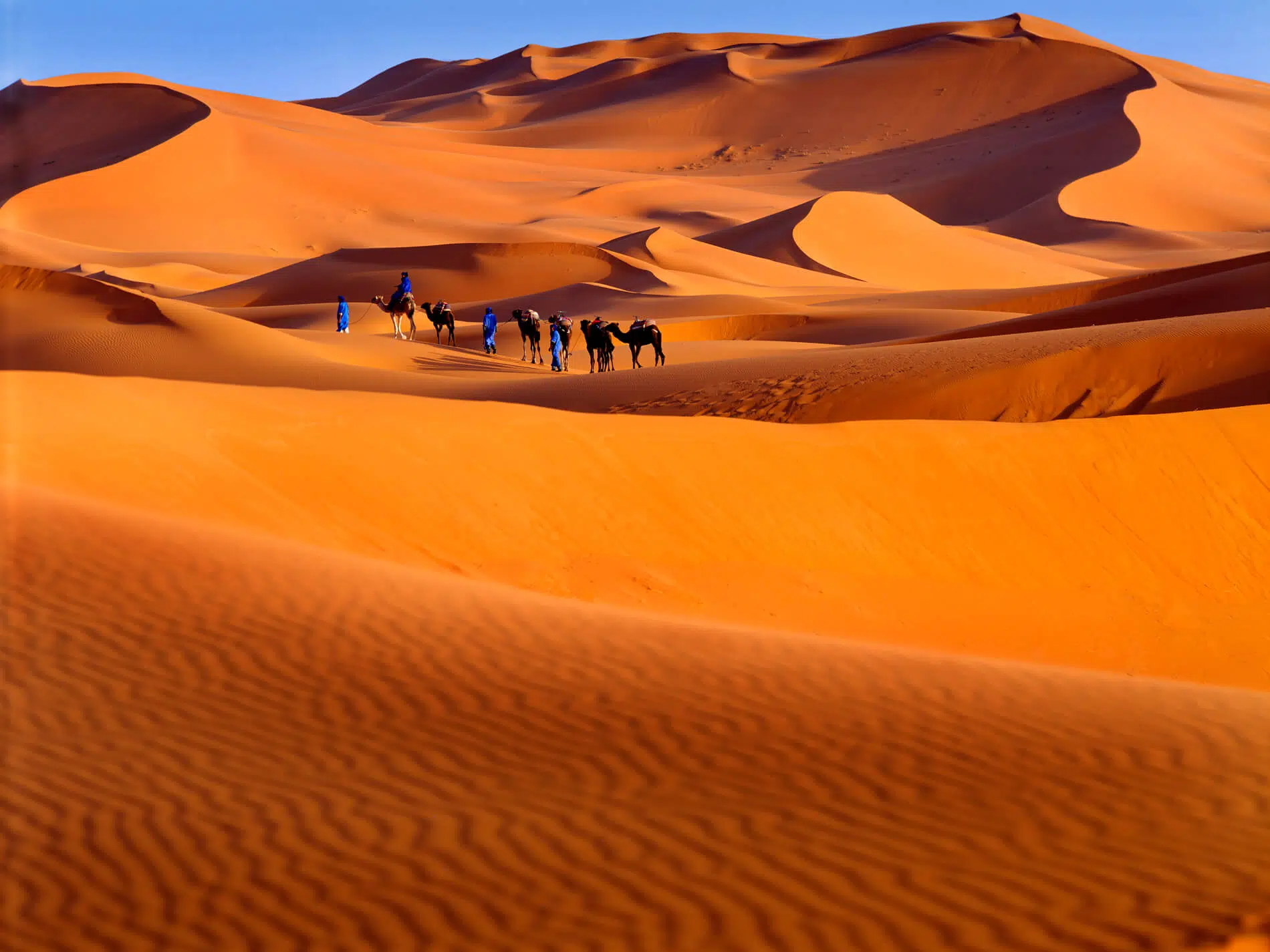
As 2025 draws to a close, I find myself suspended between reflection and anticipation—a quiet threshold where trepidation and hope live side by side. In these tender moments of transition, I often seek refuge in nature’s enduring wisdom, its infinite beauty, and its reminder that resilience is not only possible—it is everywhere.
The Harsh Beauty of the Great Sahara
The Great Sahara, vast and eternal, stretches out like a golden ocean of shifting sands. It is the world’s largest hot desert, a place where time moves differently, slowly and deliberately, with the wind as its clock and the dunes as its ever-changing terrain. Life here is raw, elemental, and deeply sacred.
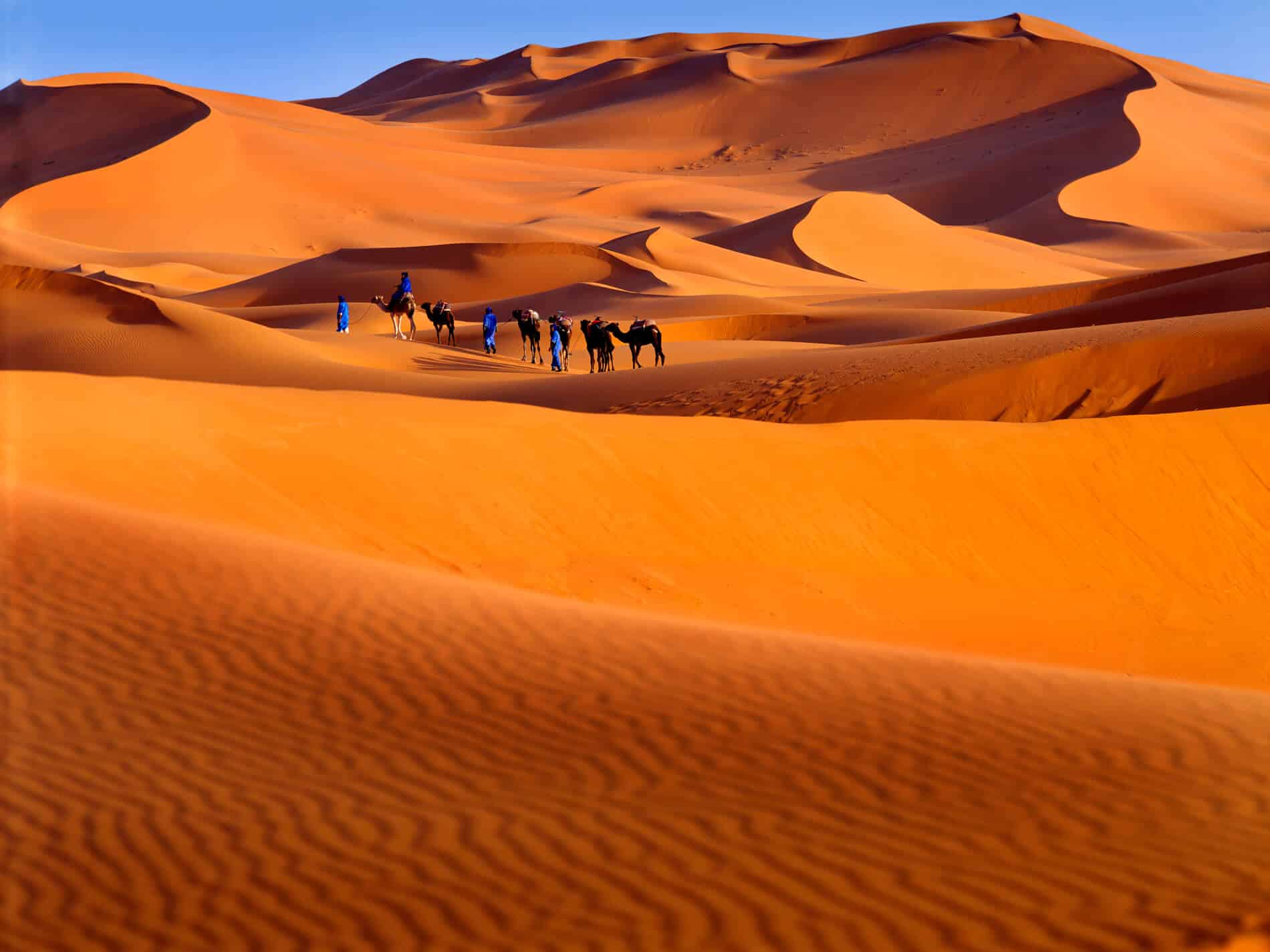
In this inhospitable expanse, a small group of Tuareg people traverse the dunes, their silhouettes stark against the sunlit waves of sand. These nomadic traders, guardians of ancient paths, lead camels burdened with slabs of salt, a precious cargo and the economic lifeblood of their journeys.
Clad in deep indigo robes, the Tuareg are known as the “blue men of the desert.” This name was born from the indigo dye that once stained their skin during centuries past. Their garments are not only practical in the desert heat but are also steeped in cultural memory: symbols of lineage, endurance, and identity.
A Moment of Stillness Among the Dunes
I remember standing quietly at the edge of the rippled dunes, camera in hand, heart wide open. The light was golden, the sand curving into fluid shapes sculpted by relentless winds. The air was still, thick with the weight of history and the hush of solitude.
My eye was drawn instantly to the rich contrast. The deep blues of the Tuareg robes stood out against the sun-burnished sands. There was something cinematic, almost mythic, in the scene. It was a visual rhythm that spoke of movement and permanence at once.
In that moment, I felt both infinitely small and luminously present.
It is a strange and humbling sensation: to be dwarfed by the enormity of nature and yet feel utterly seen by it. The Sahara Desert, in all its severity, invites awe. And awe, I believe, is a doorway to grace. It softens us. It reminds us of our place, not above, but among all life.
The Human Spirit in the Harshest Places
What I witnessed wasn’t just survival. It was graceful resilience. The Tuareg people, like so many indigenous communities, carry their traditions across landscapes that test the limits of human endurance. Yet they move forward with pride, with purpose, and with an unbreakable thread of cultural continuity.
Their presence among the dunes is a lesson in humility. It reminds me that even in the most barren places, human dignity not only exists. It flourishes.
In my work with Lisa Kristine Photography, I strive to honor these quiet truths. Through humanitarian photography, I aim to hold space for the extraordinary beauty and complexity of lives often overlooked.
Entering the New Year with Reverence
To step into 2026 is not simply to mark time. It is an invitation to reflect deeply on how we move through the world. The Sahara Desert teaches us that life, like sand, shifts constantly. Yet beneath the change lies an enduring truth: we belong to this earth, and to one another.
Let this new year be one of listening, of noticing, of leaning into our shared humanity. Let us bow to the power of nature. Let us lift our gaze with hope toward what is possible, in the desert and beyond.
How You Can Support:
Explore the Stories: Discover more portraits and journeys at Lisa Kristine Photography.
Share the Vision: Spread awareness of cultural resilience by sharing these stories across your networks.
Honor Indigenous Wisdom: Support organizations that protect the rights and traditions of nomadic and indigenous peoples.
Stay Inspired: Subscribe to the Human Thread Foundation to stay informed about global humanitarian projects.