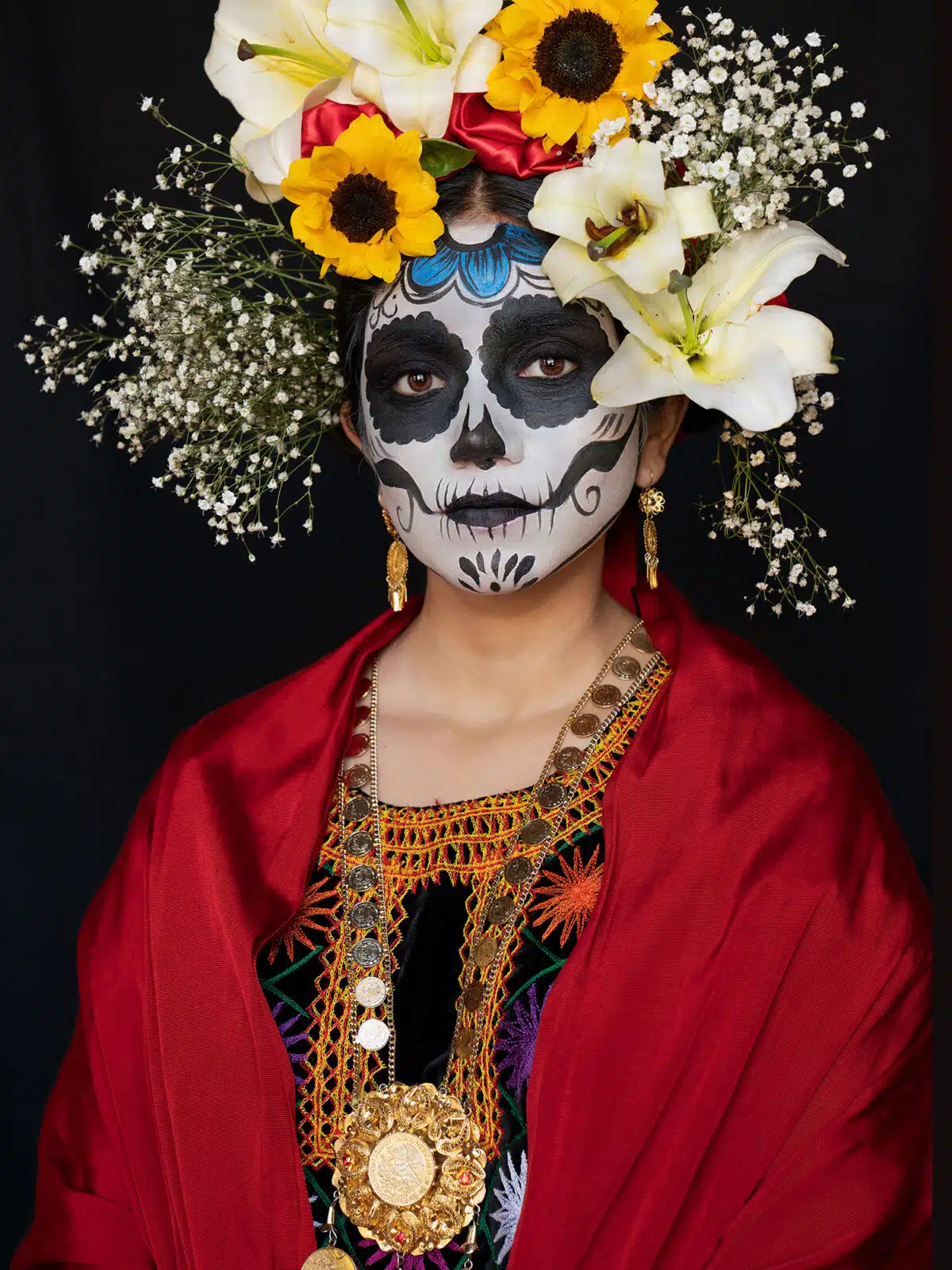
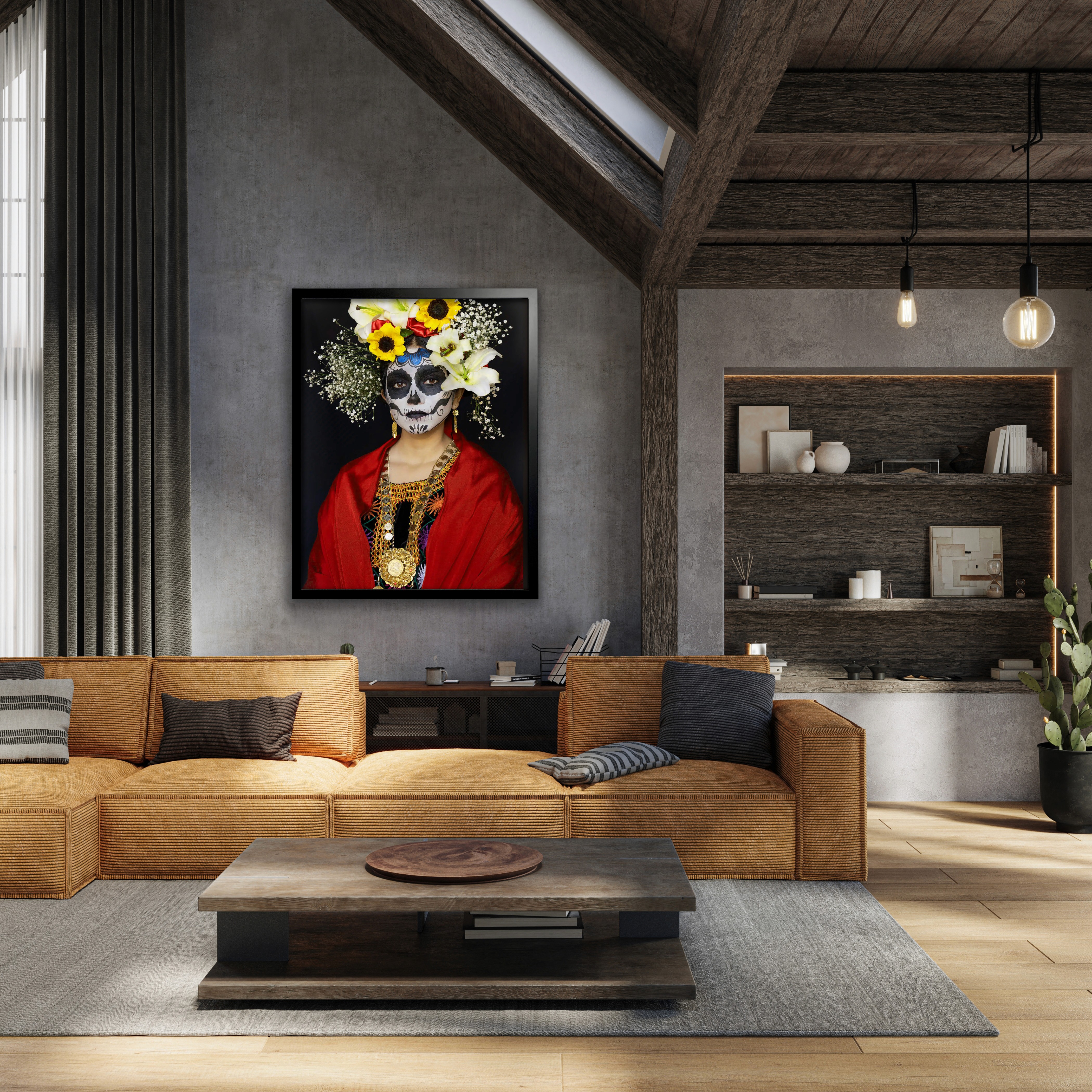

Día de los Muertos
Mexico
available sizes
24 x 32 inches (60.96 x 81.28 cm)
30 x 40 inches (76.2 x 101.6 cm)
40 x 53″ inches (101.6 x 134.62 cm)
Art Specifications
Original Limited Edition Fine Artwork
Photographic Artwork expertly printed on Fine Art Paper at Lisa Kristine Studio
Each Artwork is signed and numbered by Lisa Kristine
Each Original Artwork is hand rolled with the highest studio standards and is accompanied by white gloves
World-Wide Shipping Available


Join the list for updates from the field.
GALLERY
452 First Street East,
Sonoma,
CA 95476,
USA
© 2026 Lisa Kristine Fine Art Photography. All content and images are property of Lisa Kristine Photography
Join the list for updates from the field.
GALLERY
452 First Street East,
Sonoma,
CA 95476,
USA
© 2026 Lisa Kristine Fine Art Photography.
All content and images are property of Lisa Kristine Photography
Join the list for updates from the field.
GALLERY
452 First Street East,
Sonoma,
CA 95476,
USA
© 2026 Lisa Kristine Fine Art Photography. All content and images are property of Lisa Kristine Photography
Join the list for updates from the field.
GALLERY
452 First Street East,
Sonoma,
CA 95476,
USA
© 2026 Lisa Kristine Fine Art Photography. All content and images are property of Lisa Kristine Photography